
Equine Shiatsu · Midlothian & the Lothians
About Equine Shiatsu
Shiatsu can benefit all types of horses — from stiffness and soreness to metabolic conditions and general wellbeing.
Why Shiatsu Works
Shiatsu helps clear restrictions in the body, gently releasing pain and tension and allowing the whole horse to find its natural balance again Dr Sue Mitchell
What Is Equine Shiatsu?
A gentle therapy for the whole horse
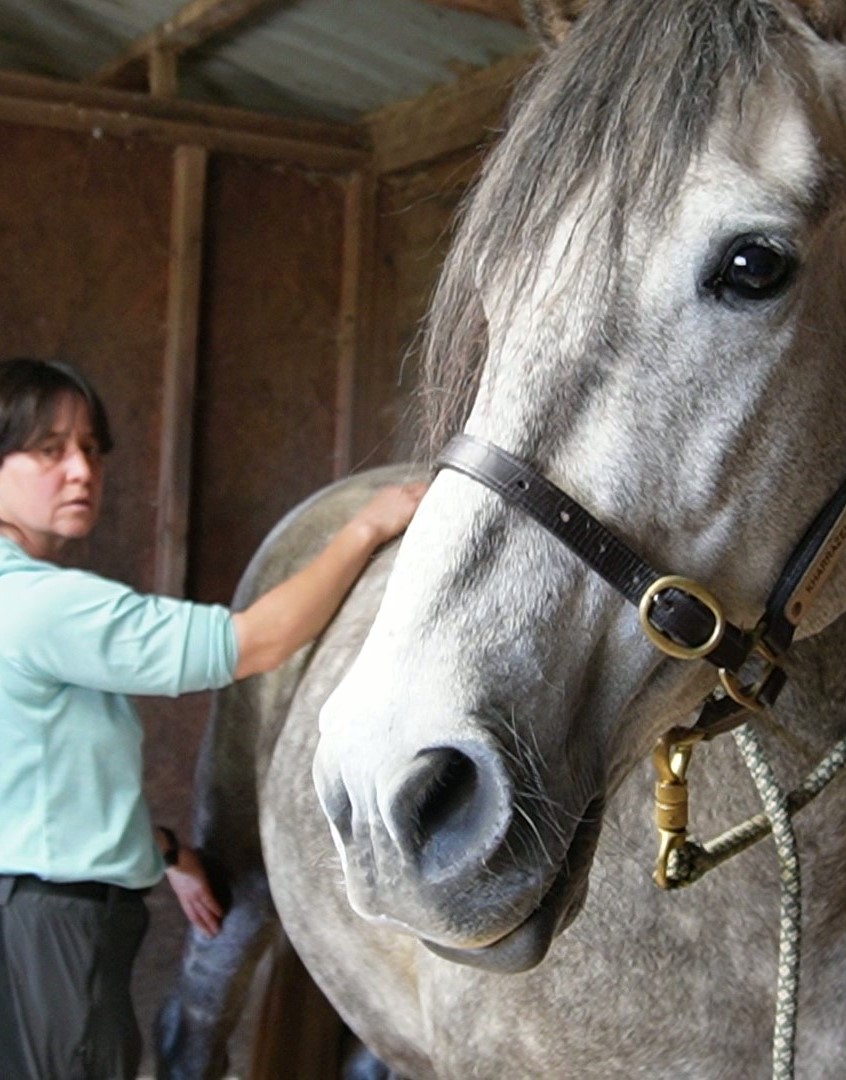
Equine Shiatsu is a gentle, hands-on form of Japanese physiotherapy that treats the whole horse rather than focusing on a single symptom. Shiatsu can treat a wide variety of issues because it influences body-wide systems. Shiatsu evolved from Anma, traditional Japanese massage and physiotherapy, blended with Traditional Chinese Medicine (TCM) principles (including Ki (in Japanese, also called Qi in Chinese or Chi), Yin and Yang, and Five Elements) that also underpin acupuncture and acupressure.
Shiatsu works to balance, restore and maintain your horse's energy, known as Ki, as it flows along pathways called meridians through the body like a system of rivers and canals. When things happen to upset the smooth flow of Ki, it becomes out of balance with blockages that are like dams across a river that hold up the water flow. The blockage builds up excess or high energy behind it and empty areas lacking energy after it. Energy imbalances create a feeling that things are not quite right, and lead further to physical, psychological or emotional symptoms and illness. Shiatsu helps revitalise the empty areas and clear the energy blockages and physical restrictions, releasing (and preventing future build-up of) pain, tension and stress. This allows the whole horse, in body and mind, to find its natural balance again, facilitating good health, ease of movement and physical and mental relaxation.
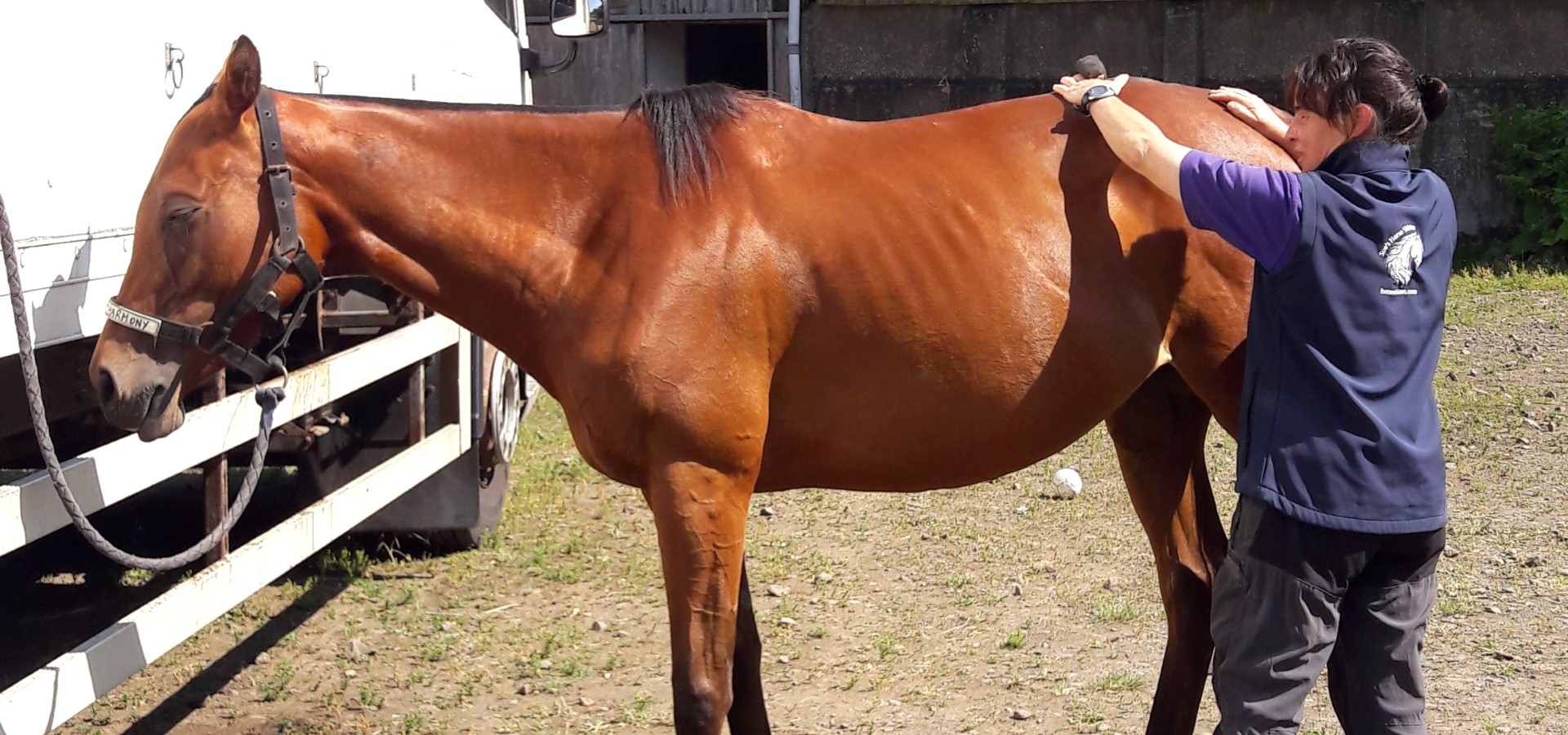
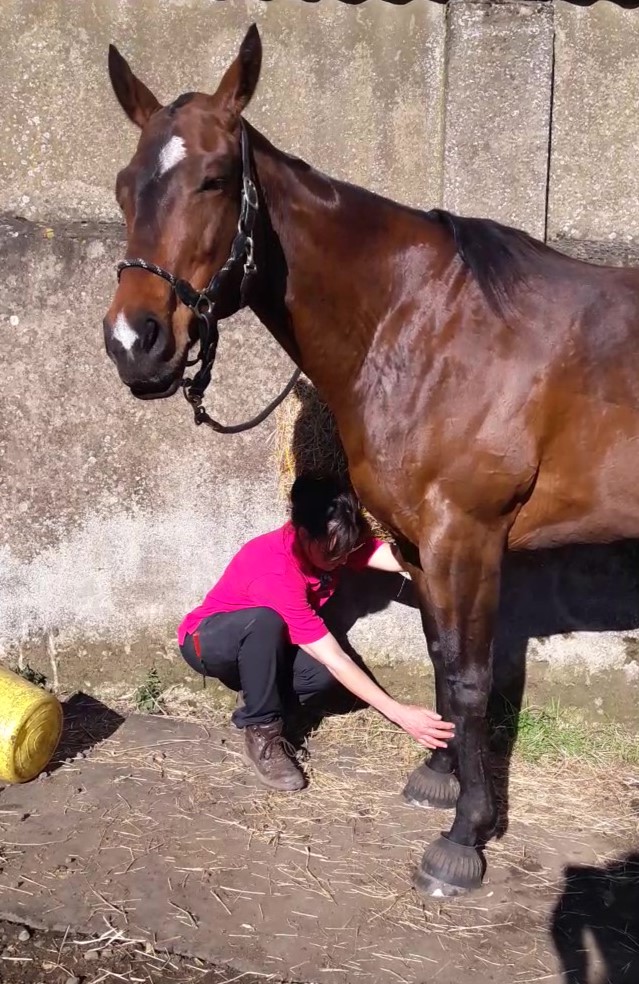
A Shiatsu practitioner uses sensitive touch with calm, quiet hands and a mindful attitude to apply finger, thumb and palm pressure along meridians and on acupressure points, which are the same points used in Veterinary Acupuncture. Rythmic dispersal calms blocked or overabundant areas of high energy while gentle focused tonification or stimulation nourishes and replenishes low energy areas. Shiatsu's unique effectiveness comes from combining the powerful effects of freeing up balanced energy flow along meridians with gentle physical techniques shared with other bodywork modalities, including rotations, joint mobilisations, assisted stretches, massage and myofascial release.
Shiatsu looks at everything that makes up your horse's world — their body, their surroundings, their relationships, their management and their history — rather than fixating on “the bit that's gone wrong”.
This makes Shiatsu especially valuable when something has changed and the reason isn't obvious: an unexplained shift in behaviour, a horse that “just isn't quite right,” or a niggle that hasn't shifted with other treatments.
A Whole-Body Therapy
Versatile, body-wide support
Shiatsu is a wonderfully versatile therapy because it affects body-wide systems, including the autonomic nervous system, circulatory system, lymphatic system, endocrine system and digestive system. Shiatsu helps with movement problems such as sore backs, tight muscles, stiff joints, lameness and proprioception (a horse's awareness of where its body is in space), as well as systemic issues like inflammation, digestion, hind-gut health, metabolic conditions like EMS and PPID, respiratory function, stress and behaviour.
Shiatsu is valuable for supporting a horse's recovery from illness or injury. Shiatsu is especially valuable for preventing illness and injuries occuring in the first place and helping an already healthy horse feel and perform at its very best.
The Science Behind Shiatsu
Valuable different perspectives
Shiatsu is founded on the ancient principles of TCM which evolved into a system of medical theory from Chinese philosophy, starting with the concept that the body is an energetic organism. Shiatsu, in common with other oriental therapies, works on the body's energetic system through a network of pathways called meridians that relate to the functioning of internal organs as well as emotional, psychological and spiritual harmony. Oriental medical theory provides a framework to assess the body's energetic needs as well as explain why the body might be holding tension in some places and be weaker in others.
As a scientist, I used to think this approach was at odds with western medical philosophy and perspectives we are more familiar with, which focus more specifically on anatomy, physiology, biology, and so on. Yet interestingly, scientific research in recent decades is aligning western medical science with this perspective of the body as an energetic organism.
As found in humans, equine anatomy research, primarily in Denmark, identified Myofascial kinetic lines, interconnected chains of muscles, myofascia and other fascial structures, responsible for the movements of the body. The locations of these myofascial kinetic lines correspond well with the meridian locations. It’s now accepted that fascia lines and fascial planes correspond with the energy meridians of eastern medicine. Fascia, we now know, can transmit electrical charge around the body, offering a modern explanation for how this age-old, energy-based therapy works. (Read more about the correspondence of fascia and shiatsu on Sue's blog.)
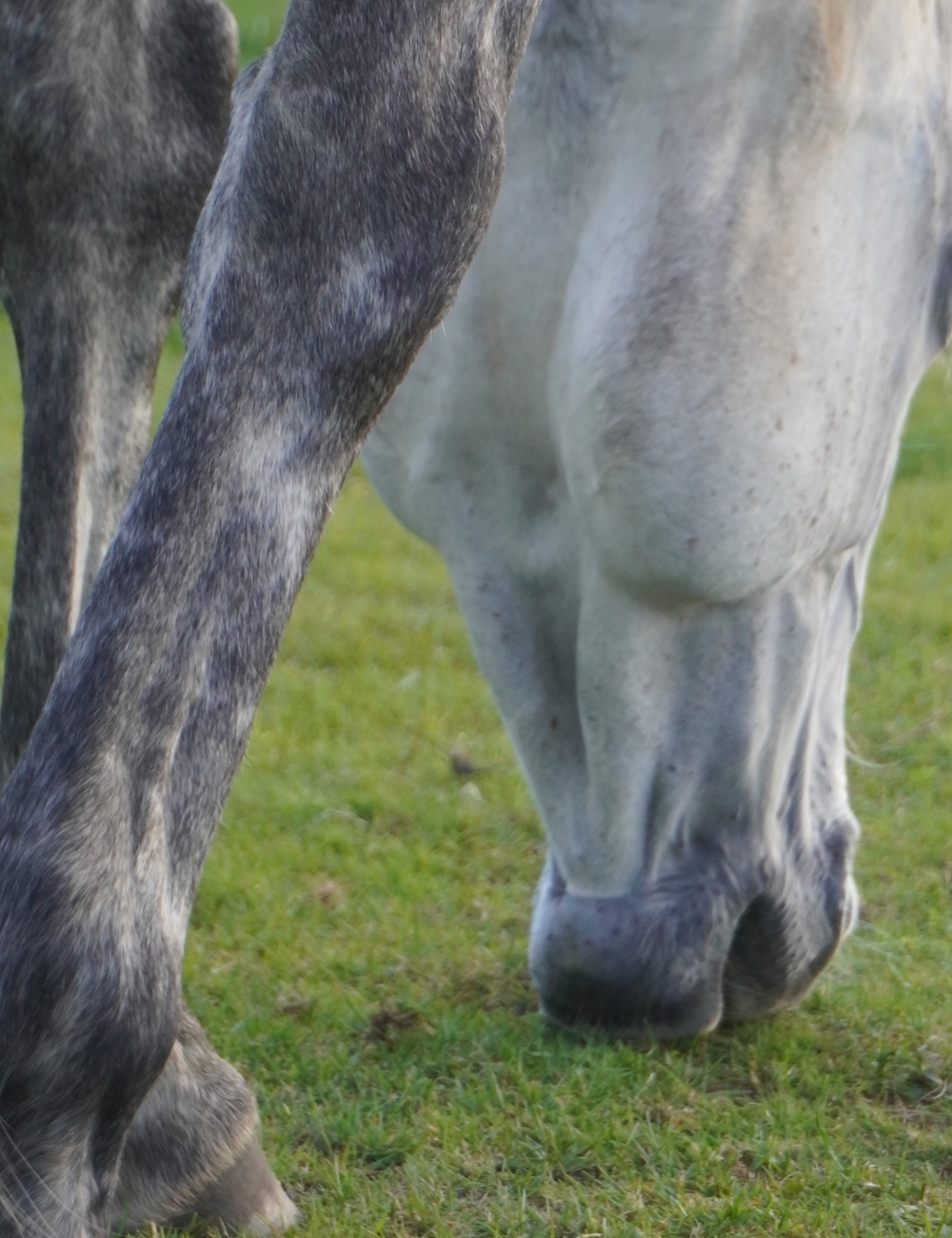
Scientific research into acupuncture demonstrates that the central nervous system and endocrine system respond to acupuncture, which works on the same meridians and points we work with in shiatsu. The nervous system and endocrine system send signals to direct how the rest of the body is working — which is why shiatsu has such widespread and versatile influence on the body and mind.
Fascia is now recognised as not 'just packaging' but the largest organ of the body which is important in signalling and transmitting energy, as well as other functions. Neuroscience is exploring concepts around intention and thoughts as energy (and much more, though I find the quantum phsyics that's involved far too complex!) There's also the research in social fields, recognising that each individual has an energy field around us and how that influences how we interact.
So now, I think that Shiatsu gives us a valuable different perspective for maintaining health and wellbeing in our horses, that is especially valuable to reduce and prevent problems. Regular Shiatsu sessions are excellent at detecting the early imbalances that are the first signs of problems starting, before you can notice any obvious symptoms. This is so important in a prey animal like a horse, which has evolved to not show pain as far as possible, as this would make it very vulnerable to attack by predators. Shiatsu gives a chance to rebalance the energy, understand what might be contributing to this imbalance arising, make changes if/when relevant and possible, as well as potentially getting things checked by your vet at this very early stage, when veterinary treatment could be more effective more quickly.
The Benefits
The Benefits of Equine Shiatsu
A treatment that gives so much back for horse and owner alike.
- Promotes deep relaxation, physically, mentally and emotionally
- Releases tension and eases tight muscles
- Reduces inflammation and swelling in joints, relieving pain
- Increases range of movement
- Improves proprioception — your horse's awareness of their own body
- Enhances muscle tone and maintains physical condition
- Improved posture
- Improves movement, balance and forwardness under saddle
- Supports the body's natural self-healing abilities: increasing the flow of nutrients around the body and flow of excess fluids and toxins carried away in the lymph and circulatory system
- Calms the nervous system and helps relieve stress, anxiety, and depression
- Supports performance and wellbeing: simply feeling comfortable in their own skin improves quality of life, from the field and stable to performing at their best in whatever discipline you enjoy together.
- Bespoke to each horse, every time, focusing on what they need in that moment
Conditions Helped
When Does Your Horse Benefit from Shiatsu?
Shiatsu is remarkably versatile. It's as useful for a horse in peak competition form as it is for one recovering from injury or simply getting older. Here are some of the most common reasons horse owners get in touch:
Movement & Physical Comfort
- Stiffness, in general or on one side
- Sore back, cold-backed horses, kissing spines
- Sore or stiff neck and/or shoulders
- Tight lumbar region or hind end issues
- Lack of flexibility or difficulty bending
- Difficulty on turns, or transitioning into canter
- Lameness and laminitis
- Arthritis and stiff joints
- Recovery from injury, surgery or a period of box rest
Systemic & Metabolic Health
- Metabolic conditions such as EMS, PPID (Cushing's) and weight management
- Digestive issues, ulcers, EGUS, hind-gut health and ‘girthiness’
- Respiratory conditions and allergies
- Hormonal changes, including a ‘stroppy mare’
- Skin conditions
Behaviour & Performance
- An unexplained change in behaviour
- Headaches and headshaking
- Spookiness, anxiety or a lacklustre attitude
- Managing stress around travel or competition
- A general loss of performance or ‘just not quite right’ feeling
General Wellbeing & Maintenance
Perhaps most importantly, shiatsu is wonderful for general maintenance and wellbeing: helping to prevent stress, distress and injury before they take hold, and keeping horses of every age and discipline feeling and moving their best.
See It in Action
Watch a Shiatsu Session
Short clips showing how gentle and settled a typical session looks. See more videos on my YouTube channel.
How It Works
How Does an Equine Shiatsu Session Work?
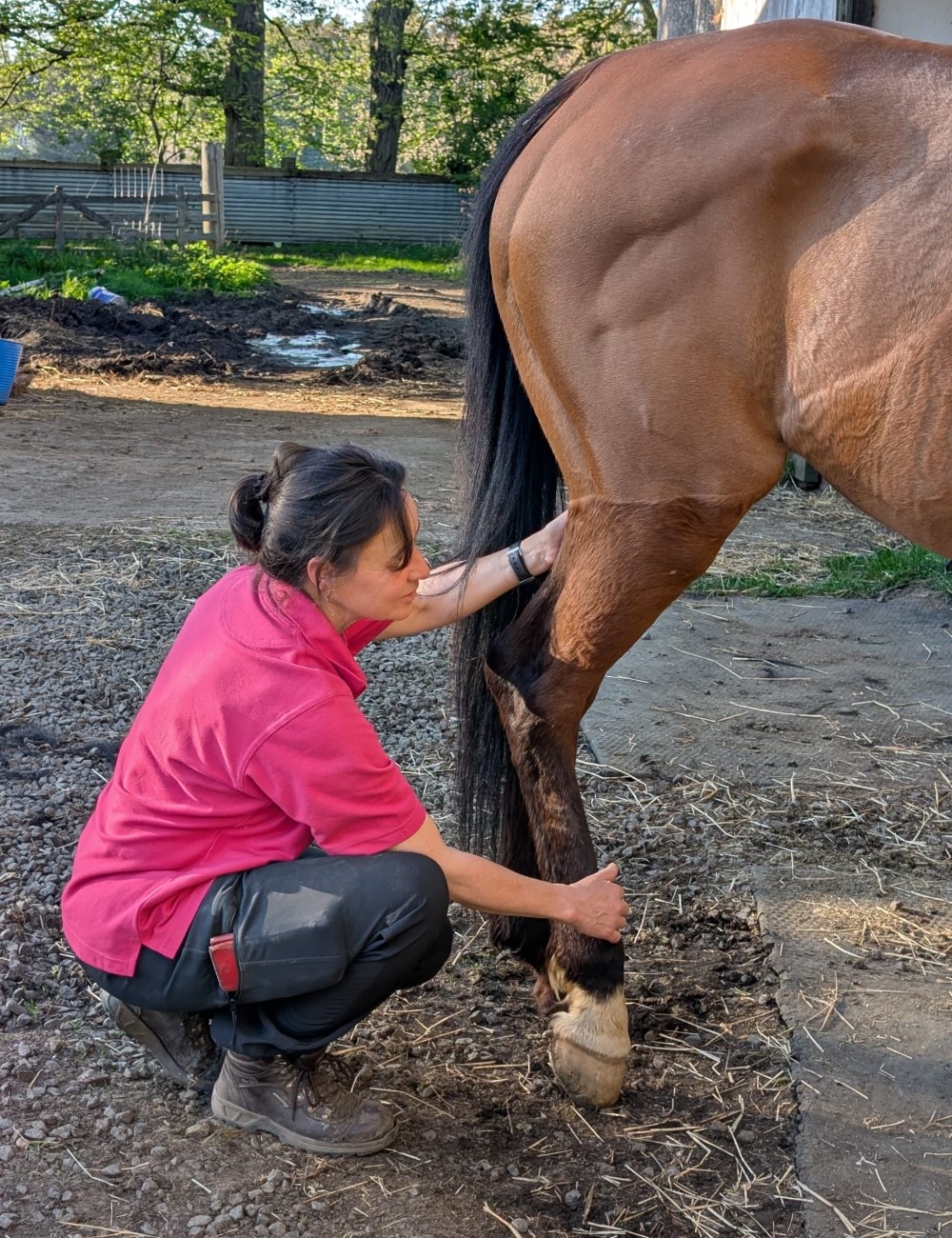
Every session is tailored to the horse in front of me, so no two are ever quite the same. I begin with a whole-horse assessment of posture, movement and energy to build a full picture of what's going on, not just the obvious symptom. From there I use a range of shiatsu diagnostic techniques to identify where your horse is most out of balance, and start there with shiatsu. I work on meridians to rebalance the flow of energy along the body's main pathways together with myofascial and massage techniques, assisted stretches, rotations and gentle joint mobilisations.
The whole process is quiet, gentle and almost meditative. Most horses visibly relax, soften and let go during a session, and most people notice a difference in how their horse looks and moves by the time we're done.
Before You Book
What to Expect
- The best location is somewhere quiet for a calm, unhurried setting, wherever your horse feels most relaxed and settled. That may be indoors / under cover (e.g. a stable, barn, or field shelter) or outdoors at the yard or field, unless the weather is bad (rain or stronger wind), which can prevent the horse connecting with and benefiting from the energy work.
- Shiatsu works best when your horse is dry and clean.
- Your first session runs around 75–90 minutes, giving time to talk through your horse's history and current situation, and to observe them standing, in walk and in trot.
- Follow-up sessions typically last an hour, with about 45 minutes of hands-on shiatsu plus 10 minutes for a catch-up and recommendations.
- While a horse is symptomatic, sessions every one to three weeks are often recommended, tailored to your horse's needs.
- Many owners choose regular sessions every one or two months for ongoing maintenance which contributes to good body condition and muscle tone, calm and willing attitude, and improved overall performance and wellbeing, often saving on vet bills in the long run.
- Shiatsu is a complementary therapy and doesn't replace veterinary care. We ask that your vet is happy for your horse to receive treatment before booking.
Book a Session
Equine Shiatsu Sessions
Choose the option that suits you and your horse — a session for your horse, a thoughtful gift, or arrange a shared visit with friends at your yard for shiatsu for your horses.
Shiatsu Session
45–60 minutes · £80
A full Equine Shiatsu session, including a holistic physical and energetic assessment, approximately 45 minutes of hands-on shiatsu, and recommendations to take away afterwards. Before your first session you'll complete a short form about your horse's history and situation.
Covering Edinburgh, the Lothians and the Borders Book or inquire
Gift Vouchers
45–60 minutes · £80 each
The ideal gift for a fellow horse lover — a birthday, Christmas or thank-you treat for their horse. Each voucher is valid for one 45–60 minute Equine Shiatsu session and lasts six months from purchase.
Covering Edinburgh, the Lothians and the Borders Book or inquire
Group Sessions
2 or more horses, one visit
Co-ordinate with friends at your yard and book several horses for a full equine shiatsu session each on the same visit. £5 off per horse for two horses, £10 off per horse for three or more — sharing the benefits of shiatsu, together.
Covering Edinburgh, the Lothians and the Borders Book or inquire
In 44 years of applying different massage techniques, I have recognized none compare to the Japanese art of SHIATSU for ultimate athletic performance and relaxation. Geary Whiting, PhD · Equine Massage Academy and trainer to (human) Olympic athletes
Get In Touch
Contact Sue's Horse Shiatsu
Call, Text or WhatsApp
Based in Midlothian, Scotland
Serving Edinburgh, East & West Lothian, Midlothian and the Borders